FR
 EN
 DE
 NL
Bed & Breakfast
Eugène Le Roy
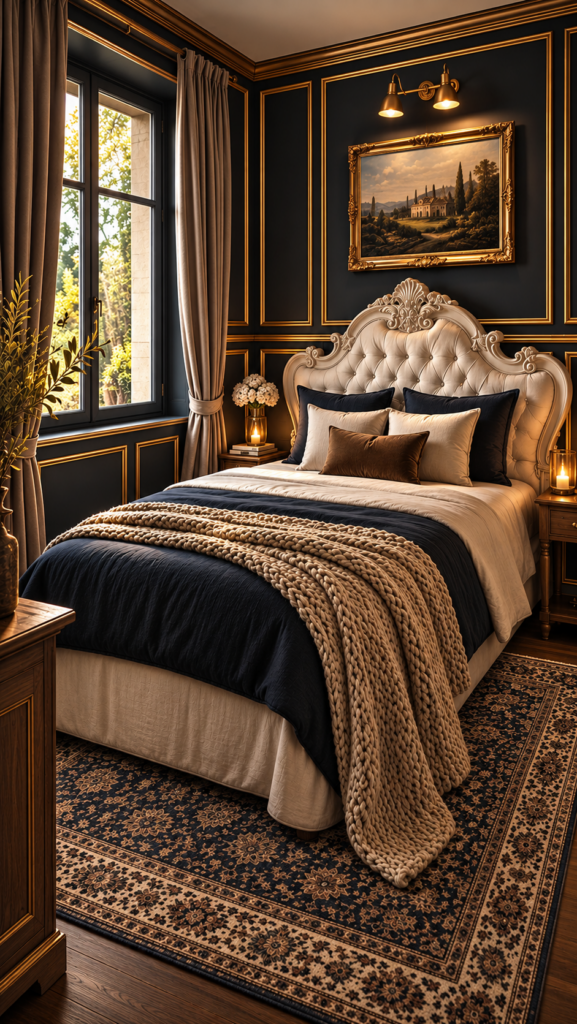
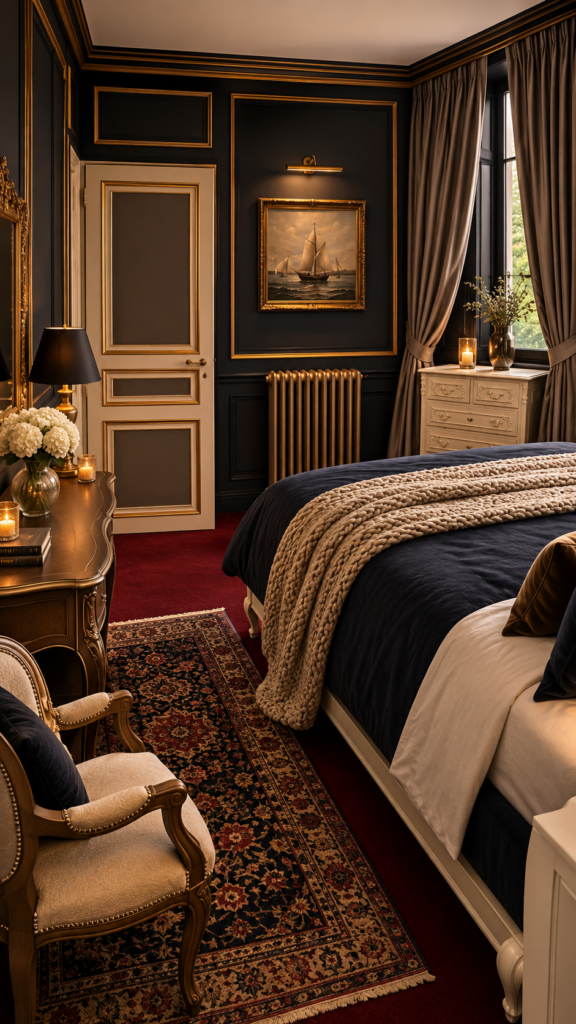
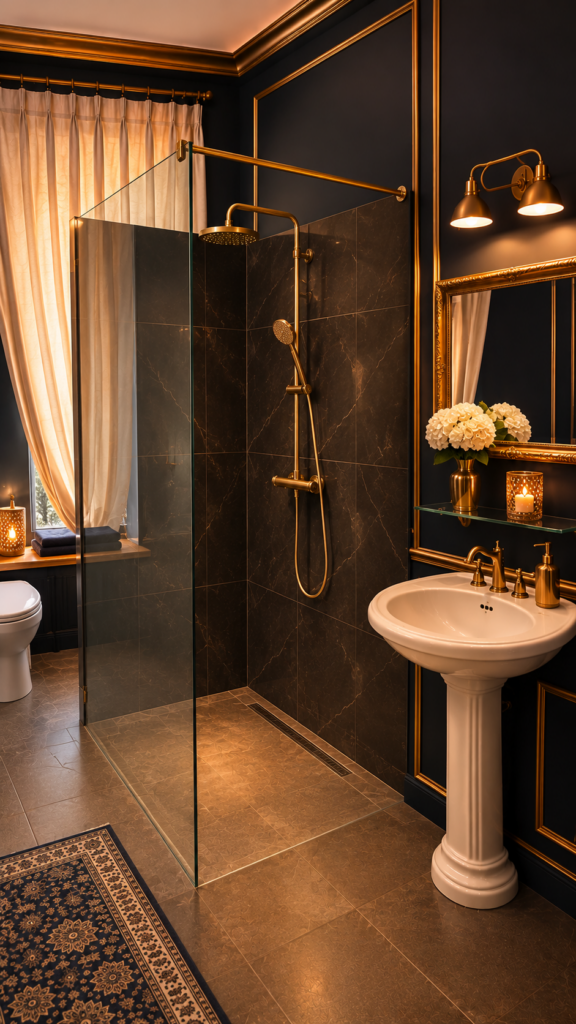
This room pays tribute to one of Hautefort’s most celebrated figures, the writer Eugène Le Roy (1836–1907). The son of servants at the Château de Hautefort, he became one of the Périgord’s foremost writers. His novels gave a voice to farmers and other people of humble means, most famously in Jacquou le Croquant.
Blue takes pride of place in the décor as a symbol of republican values. A freethinker, a staunch anti-clerical and a committed republican, Le Roy devoted his life and writing to defending freedom, secularism and the dignity of ordinary people. The room’s blue tones also invite the quiet and reflection that go hand in hand with writing.
More intimate and understated than the other guest rooms, it reflects Le Roy’s humble origins and his distaste for ostentation and privilege. It’s a simple, warm and peaceful retreat, in keeping with a writer who valued the honesty of rural life above the splendour of high society.
Yvonne Clergerie
This room pays tribute to the sculptor Yvonne Clergerie (born in 1942), who has deep ties to the area. She was born in nearby Sainte-Trie while her parents were staying with her grandmother. Known for the sensitivity and tenderness of her work, particularly her bronze sculptures, Clergerie left a lasting mark on the local landscape by installing 42 of her works in Hautefort. Around 30 of her bronzes can be discovered along the village’s sculpture trails, which turn Hautefort into an open-air museum where contemporary art meets historic stonework and the surrounding countryside. In recognition of her work, Clergerie was made an Officer of the French Order of Arts and Letters in 1996.
As the largest of our guest rooms, it has the space to display more works of art than any other room in the house. The décor was carefully chosen to reflect the sensitivity of Clergerie’s work and give you the feeling of staying in a warm, welcoming private gallery.
The colours draw on the landscape of the Périgord and the tones of Hautefort itself, from pale golden stone and leafy greens to subtle mineral hues. Together, they echo the harmony between the village’s historic buildings and Clergerie’s contemporary sculptures.
With its generous proportions, the room invites you to slow down, take in the artworks around you and linger a little longer in the atmosphere of your walks through Hautefort.
Bertran de Born
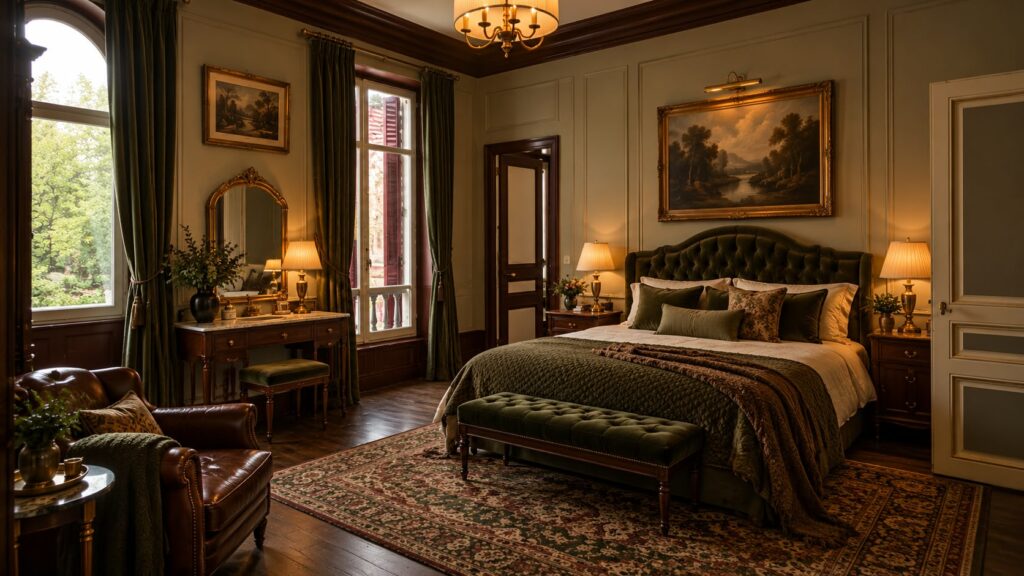
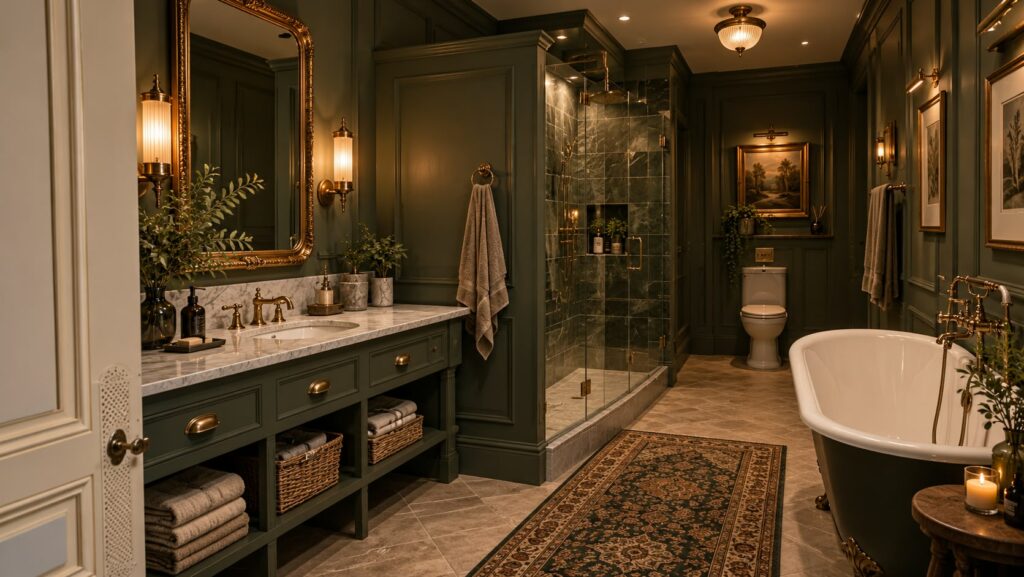
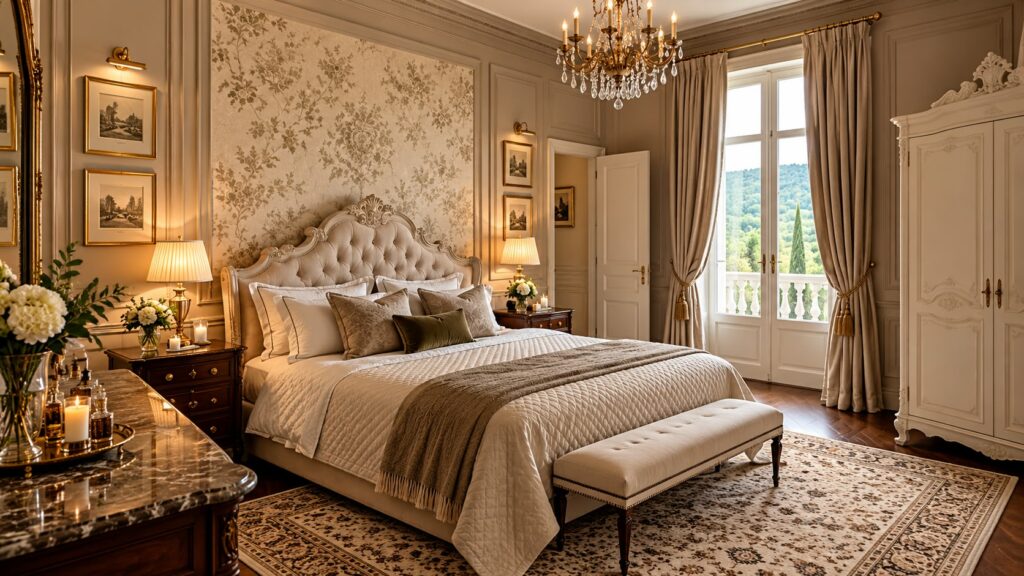
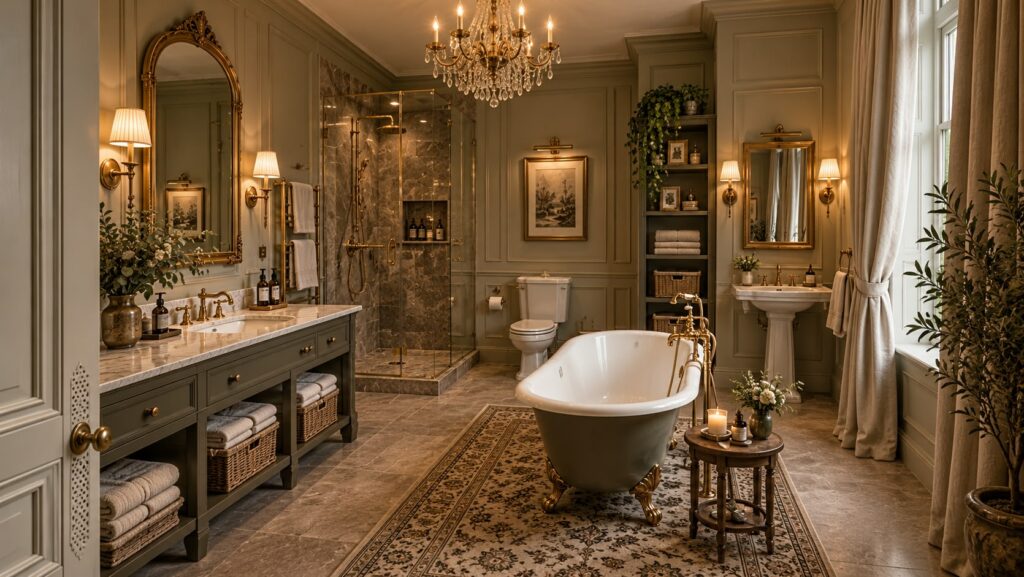
This room pays tribute to the most legendary figure in Hautefort’s medieval history, Bertran de Born (c. 1140–c. 1215), lord of Hautefort and renowned troubadour. A passionate poet who celebrated both courtly love and the fury of battle, he was a formidable figure in the power struggles between the sons of King Henry II Plantagenet. Initially allied with Henry the Young King against Richard the Lionheart, he later reconciled with Richard and supported him against the French king Philip Augustus. A master of the political sirventès, a form of sharp satirical verse written in Occitan, Bertran left behind an important body of work still studied at university and in the secondary schools of the Dordogne that continue to teach Occitan. After Richard’s death, weary of warfare and intrigue, he sought the peace of nearby Dalon Abbey in Sainte-Trie, where he spent his final years in quiet contemplation.
One of the most spacious rooms in the house and the only one with a private balcony, it reflects the standing and prestige of the Lord of Hautefort. Its palette of ecru, linen, sand and antique ivory recalls the parchment and pages on which the troubadour set down his spirited verse.
The room has an almost monastic stillness, echoing the peace Bertran found at Dalon Abbey after his turbulent life. It’s a welcome retreat where you can unwind after a long day on the road, a day spent discovering the treasures of the Périgord, or an evening at one of our events.
Hélène Duc
This room is not yet available to book.
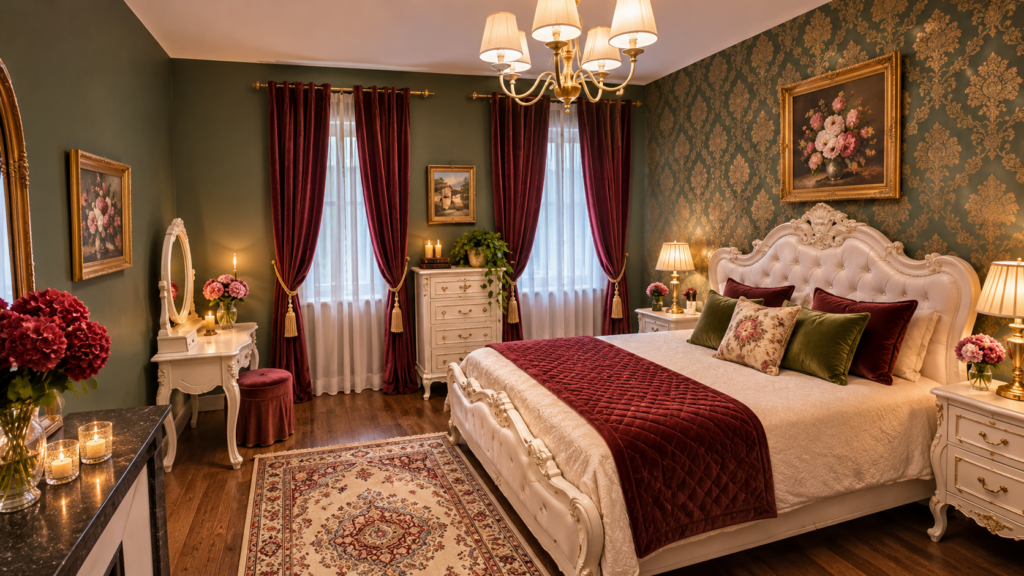
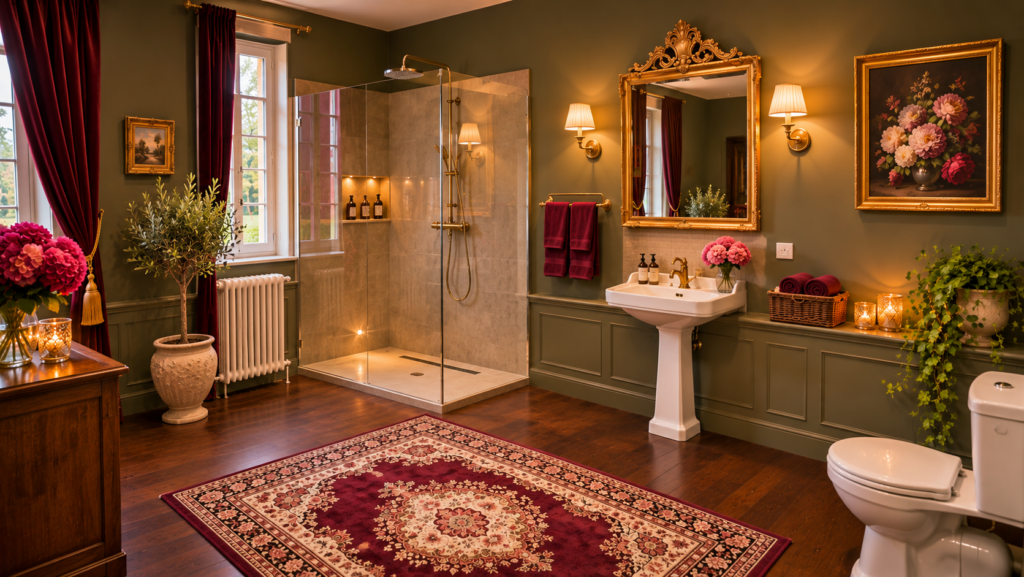
This room pays tribute to a grande dame of the French performing arts and to my own roots in Bergerac. Born in the town, actress Hélène Duc (1917–2014) enjoyed an extraordinary career spanning more than seventy years, shining on stage, on screen and on the radio. A woman of great warmth and courage, she was recognised as Righteous Among the Nations and made an Officer of the Legion of Honour.
Touches of purple nod to the Périgord Pourpre, of which Bergerac is the capital, and evoke the deep hues of its celebrated red wines.
The sweeping curtains recall the theatre stages where she began her career, as well as the distinctive red ribbon of the Legion of Honour that recognised her remarkable life.
The décor draws on different sides of her film career. The furniture and refined details evoke the flair of the colourful, well-to-do women she played so brilliantly in the comedies of the 1960s. The room as a whole captures the quiet restraint and simplicity she brought to her more intimate roles in the 1980s.
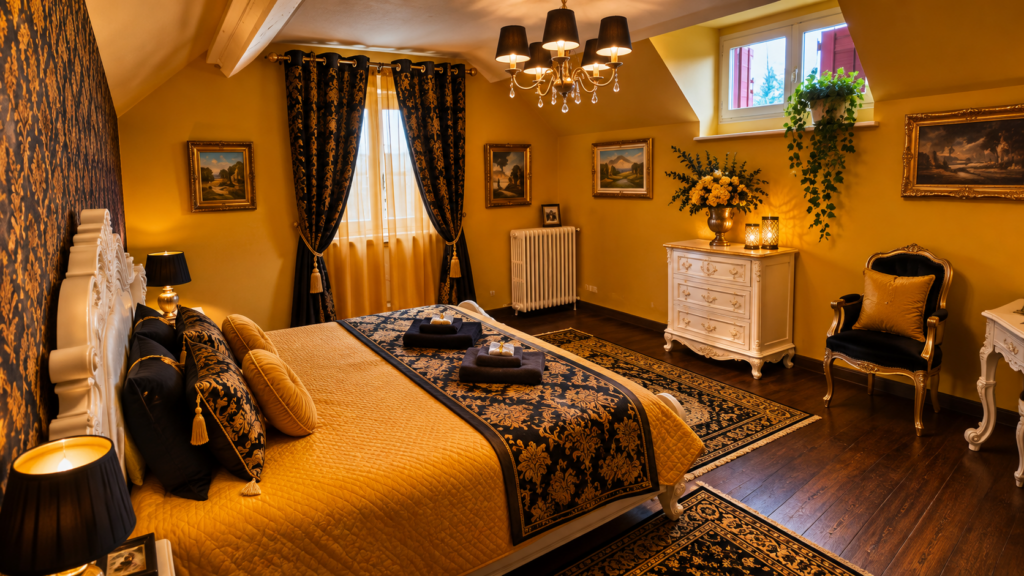
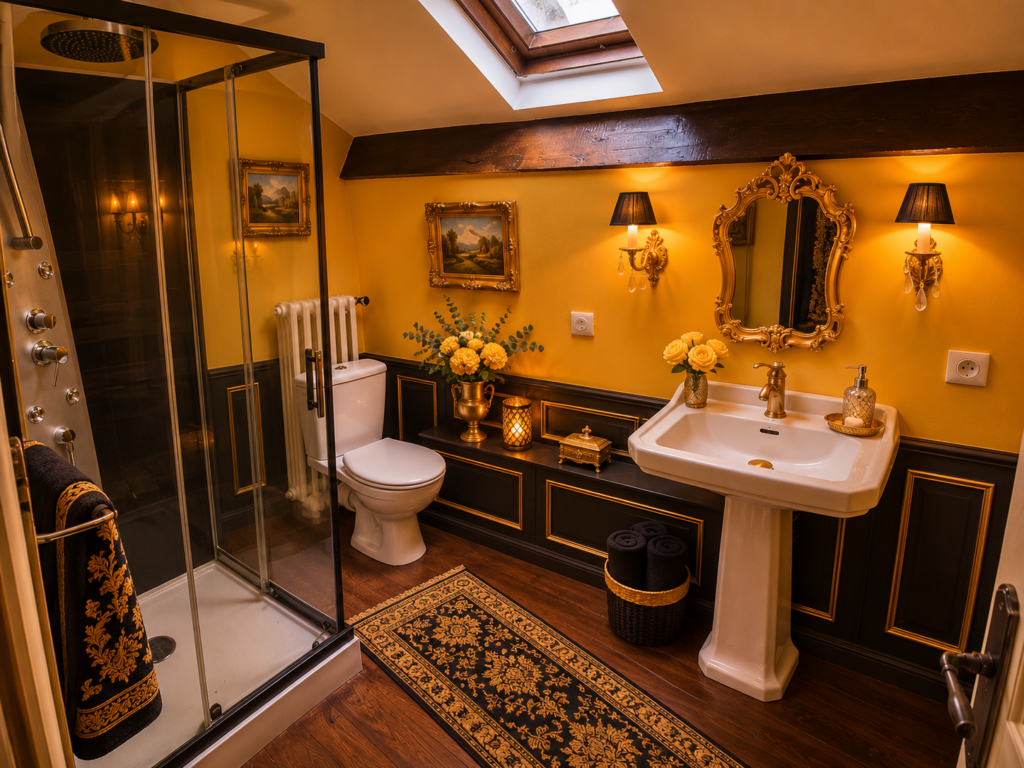
Étienne de La Boétie
This room is not yet available to book.
tekst
Marie de Hautefort
This room is not yet available to book.
tekst